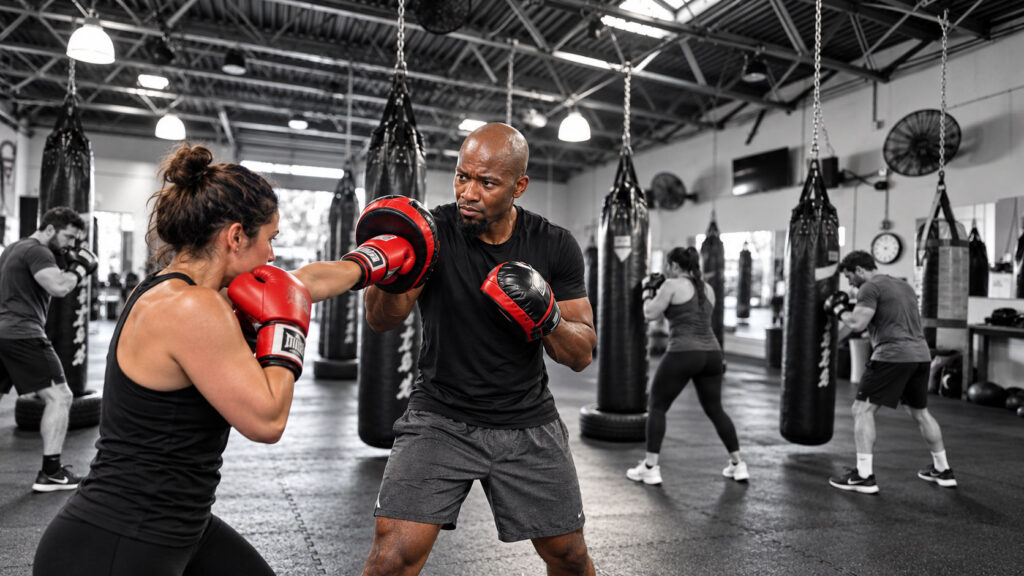
Boxing can give you a new way to work on fitness, learn a demanding skill, or pursue competition. Choosing where to begin starts with understanding your goals and finding instruction that matches your experience.
If you’re exploring boxing in West Palm Beach, this guide will help you compare training options, choose a coach, prepare for your first class, and understand equipment, scheduling, and sparring. You’ll also learn how fitness-focused training differs from preparation for the ring.
Frank “The Flash” Gedeon offers competition training and boxing fitness classes in West Palm Beach. Whether you’re new to boxing or bringing previous experience, a conversation about your goals can help you identify your next step.
How do you get started with boxing in West Palm Beach?
Start by deciding whether you want fitness-focused classes, boxing skill development, or training toward competition. Compare programs based on coaching, class format, location, and scheduling. Before booking, speak with the coach about your experience, confirm pricing and equipment requirements, and ask whether contact or sparring is involved. Choose a starting point you understand and a schedule you can maintain.
Understanding Your Boxing Training Options
Boxing training can serve different purposes, from building fitness to developing skills for competition. Before choosing a class, understand what the program emphasizes and how the coach introduces new students to the work.
Boxing Fitness Classes
Boxing fitness classes combine boxing fundamentals with exercise. Sessions may include shadowboxing, bag work, footwork, combinations, and conditioning, depending on the program.
The focus is on using boxing movements to develop fitness, coordination, and endurance. Ask how much technique instruction you will receive and whether the class includes any contact. A fitness goal does not require a competition goal.
Learning Boxing Fundamentals
Stance, balance, guard, punches, defense, and footwork form the foundation of boxing. Learning these skills helps you understand how to move with control and connect individual movements into combinations.
Fundamentals belong in both fitness and competition training; they are not necessarily a separate class. Look for instruction that includes demonstrations, opportunities to practice, and feedback you can apply.
Competition Boxing Training
Competition training focuses on developing and applying skills for the ring. Alongside technique and conditioning, training may address distance, timing, positioning, and responding to an opponent.
Tell the coach about your experience and competition goals. Ask how progression is assessed and how partner drills and sparring fit into the program.
| Training focus | Typical activities | Main purpose |
|---|---|---|
| Boxing fitness | Boxing movements, bag work, and conditioning | Exercise and skill development |
| Boxing fundamentals | Stance, punches, defense, and footwork practice | Learning controlled technique |
| Competition training | Technical drills, tactical practice, and conditioning | Developing skills for the ring |
Frank Gedeon offers boxing fitness classes and competition training in West Palm Beach. Discuss your goals with him to identify an appropriate starting point.
How to Choose Boxing Classes in West Palm Beach
Choosing a boxing class involves more than finding a nearby gym. Look for a program that matches your goals, provides understandable instruction, and fits your weekly routine. A conversation with the coach—or an introductory visit—can help you evaluate those details before committing.
Coaching Experience and Clear Instruction
Ask about the coach’s boxing background and experience teaching people at your level. Then pay attention to how they explain a movement.
Useful instruction includes a demonstration, time to practice, and a specific correction. If you lose your balance while punching, for example, you should understand what to adjust and have an opportunity to try again. You should also feel comfortable asking questions.
Class Format and Individual Feedback
Find out how a typical session is organized. How much time goes toward learning technique, practicing drills, and conditioning? How are beginners introduced to unfamiliar movements?
Ask about class size and how the coach provides individual feedback. If the session includes partner activities, clarify whether they involve contact and how partners are selected. These details help you picture the actual training experience.
Location, Schedule, and Attendance
Consider the trip you will make at class time, whether you are coming from home or work. Check parking, arrival instructions, booking requirements, and cancellation policies.
A convenient location helps, but the schedule also needs to work consistently. Choose a routine you can realistically maintain.
Questions to Ask Before Signing Up
Before booking, ask:
- Does this program match my fitness or competition goals?
- How do you introduce beginners to boxing fundamentals?
- What feedback will I receive during class?
- Does training involve contact or sparring?
- What are the full costs, equipment requirements, and attendance policies?
Clear answers help you choose with confidence. During your first session, notice whether the instruction and experience match what was discussed.
Starting Boxing With No Experience
Your first boxing session is a place to learn. You do not need to arrive knowing combinations or understanding every piece of equipment. Start by telling the coach that you are new and asking how beginners are introduced to training.
Discuss Your Starting Fitness and Experience
Describe your current activity level, any previous training, and what you hope to accomplish. Mention limitations that could affect your participation so you can discuss whether the class format is appropriate. Ask how the pace and drills can be adjusted to your starting point.
Focus on Learning Before Adding Speed
Give yourself time to understand your stance, guard, and basic movements. Practice at a pace that lets you follow instructions and apply corrections. When a combination feels confusing, ask the coach to break it into smaller parts.
Set Realistic Expectations
Early progress might mean remembering your stance, returning your hands to guard, or moving without losing balance. These improvements matter even when the movements still feel unfamiliar.
You do not need to keep up with an experienced boxer’s pace. Focus on understanding the task, practicing consistently, and using the feedback you receive.
What to Expect at Your First Boxing Class
Knowing how a session might unfold can make your first visit feel more familiar. Class formats vary, but the following outline gives you an idea of what to ask about when booking boxing training in West Palm Beach.
Introductions and Warm-Up
Your first visit is an opportunity to discuss your experience, goals, and any limitations relevant to training. Confirm the session’s activities and ask questions before getting started.
A warm-up may include light movement, mobility exercises, or simple boxing movements. Use this time to become familiar with the space and follow the coach’s directions.
Fundamentals and Guided Practice
Instruction may begin with stance, guard, and basic punches before introducing short combinations or footwork. Depending on the session, you might practice through shadowboxing, bag work, or guided mitt drills.
Expect some movements to feel unfamiliar. Ask for another demonstration when needed, and focus on applying one correction at a time.
Conditioning and Feedback
The session may also include conditioning exercises or timed rounds. Ask how the pace can be adjusted to your starting level.
Before leaving, find out what to practice next and which training option fits your goals. A useful first session should leave you with a clearer understanding of the instruction and expectations.
Before you arrive:
- Confirm your booking and arrival time.
- Wear comfortable clothing that allows movement.
- Bring water and a towel.
- Ask whether gloves and wraps are required or provided.
- Confirm suitable footwear before purchasing equipment.
Boxing Equipment: What You Need to Get Started
Before buying boxing equipment, confirm what your training program requires. Your first session may need only a few essentials, and the appropriate equipment depends on the activities you will be doing. Ask Frank what to bring when arranging your session.
Gloves and Hand Wraps
Boxing gloves come in different sizes, weights, and designs. Explain whether you will be doing fitness classes, bag work, or training that includes partner activities before choosing a pair. Have the coach check the fit and suitability rather than selecting gloves based on appearance alone.
Ask about hand wraps as well, including the required type and how to put them on. A demonstration gives you an opportunity to practice and have your wrapping checked before training.
Clothing and Footwear
Wear clothing that allows you to move your arms, rotate your body, and step comfortably. Avoid loose accessories that could interfere with equipment.
Check the facility’s footwear expectations before purchasing boxing shoes. Ask whether your existing athletic shoes are appropriate for an introductory session.
| Item | Purpose | What to confirm |
|---|---|---|
| Boxing gloves | Equipment for punching drills | Suitable type, weight, and fit |
| Hand wraps | Hand preparation beneath gloves | Required style and wrapping instruction |
| Training clothes | Comfortable movement | Any clothing requirements |
| Footwear | Footing during movement | Suitable shoes for the training surface |
| Water and towel | Hydration and session preparation | What you should bring |
What to Confirm Before Buying
Do not assume loaner gloves or shared equipment will be available. Ask what is provided, what you need to purchase, and whether additional equipment is required for later training activities. Start with the essentials for your actual program.
The Boxing Fundamentals You’ll Learn
Boxing fundamentals give individual movements a purpose. Whether you train for fitness or competition, learning how to stand, move, punch, and defend helps you approach each drill with more control. Your coach can introduce these skills gradually and show you how they connect.
Stance, Balance, and Guard
Your stance is the position you move and punch from. Early instruction focuses on foot placement, weight distribution, and keeping your hands positioned to defend.
Balance matters throughout a movement—not just at the beginning. A useful practice goal is finishing a punch or step in a position that allows you to move again without resetting your feet.
Punches and Combinations
The jab, cross, hook, and uppercut are basic punches you may encounter in training. Each has a different path and works at different distances.
You will practice coordinating your hands with your body, returning to guard, and connecting punches into short combinations. Start at a pace that lets you follow the movement and apply corrections before adding speed.
Footwork and Distance
Footwork helps you reach a target, move away, and change your position. Basic drills introduce forward, backward, and sideways movement while maintaining your stance.
Understanding distance also helps you recognize when a target is within reach and when you need to move your feet rather than stretch toward it.
Defense and Positioning
Defense includes using your guard, moving your head, and adjusting your position. Your coach may introduce these ideas through demonstrations and controlled drills.
The aim is to connect actions: punch, return to guard, move, and remain ready for the next instruction. Building those connections takes repeated practice and specific feedback.
Boxing for Fitness: Understanding the Workout
Boxing fitness brings technique and exercise into the same session. You might practice a combination, add footwork, and repeat the sequence during a timed round. The challenge includes maintaining your movement and coordination as the workout continues.
Cardio and Sustained Movement
Shadowboxing, bag work, and movement drills can keep you active through repeated rounds. The pace, round length, and rest periods influence how demanding the session feels.
Ask how the workout can accommodate your current fitness level. Starting with a manageable pace gives you room to follow instructions and maintain control throughout the drill.
Coordination, Rhythm, and Balance
Boxing asks your hands and feet to work together. You may step into position, throw a combination, return to guard, and move again.
Practicing these sequences gives you specific skills to work on. Progress might mean fewer pauses between movements, better balance after punching, or completing a familiar drill with less prompting.
Combining Skills With Exercise
A fitness-focused class should give you something to learn as well as something to do. Pay attention to whether the coach explains movements and provides useful corrections during the workout.
Frank Gedeon’s boxing fitness classes in West Palm Beach focus on boxing fundamentals, full-body movement, coordination, and fitness. Discuss your goals and starting level with Frank to learn more about the available training options.
How Often Should You Train?
Your boxing schedule should reflect your goals, starting point, and the demands of each session. A beginner learning fundamentals and an experienced boxer preparing for competition may need different routines. Discuss frequency with your coach before committing to a schedule.
Choose a Schedule You Can Maintain
Start with training times that fit your work, family, and travel commitments. Regular attendance gives you opportunities to revisit skills, receive corrections, and build on previous lessons.
Choose a manageable routine, then review it as you become familiar with the sessions.
Account for Intensity and Recovery
Consider your other exercise alongside boxing. A demanding conditioning session adds a different workload than a slower technique lesson.
Tell your coach how you are responding between classes, including whether fatigue is affecting your movement or concentration. Increasing attendance should be a considered adjustment based on your progress and recovery.
Discuss Practice Between Classes
Ask which movements you can rehearse independently and how to practice them. A short, specific assignment—such as a familiar footwork sequence—gives you a clear focus.
Bring questions back to your next session so your coach can check your technique before you build on it.
Understanding Partner Drills and Sparring
Training with another person can introduce timing, distance, and reactions that differ from working on a bag. However, partner drills and sparring involve different expectations. Before participating, understand the activity’s purpose, permitted contact, and supervision.
Partner Drills vs. Sparring
Partner drills typically follow a defined task. One person might present a target, practice a specific combination, or respond to a planned movement. Some drills involve contact; others do not.
Sparring involves exchanging offensive and defensive actions within agreed limits. Even when the exercise restricts techniques or intensity, it requires clear instructions and ongoing supervision. Describing a round as “light” does not eliminate its risks.
Does Everyone Have to Spar?
You can practice boxing movements and develop fitness without sparring. Whether sparring is included or expected depends on the program, so clarify this before joining.
If you want non-contact training, say so directly. If you are interested in competition, ask how the coach evaluates readiness and introduces partner work. Attending a certain number of classes does not automatically establish readiness.
Questions About Readiness and Supervision
Before any contact session, ask:
- What is the purpose of this drill or round?
- What contact and techniques are allowed?
- How are partners matched for size and experience?
- Who supervises and controls the intensity?
- How do I pause or stop the activity?
- What protective equipment is required?
Protective equipment does not make sparring risk-free. Discuss your preferences and experience with Frank so you understand how contact activities relate to your training goals.
Working Toward Amateur Boxing Competition
Moving toward amateur competition involves both training preparation and meeting eligibility requirements. Attending classes is a starting point, but entering a bout requires a separate conversation about readiness, appropriate matchmaking, and event rules.
Discuss Your Goals With a Coach
Tell your coach about your boxing experience, previous sparring, and any competition background. Be clear about whether competing is a future possibility or a goal you want to actively pursue.
Ask what skills need attention and how progress will be evaluated. Avoid setting a fight date before discussing the preparation involved.
Develop Skills and Assess Readiness
Competition preparation brings together technique, defense, footwork, conditioning, and decision-making. Your coach needs opportunities to observe how you apply those skills, respond to instruction, and handle controlled pressure.
Readiness involves more than punching power or completing demanding workouts. Discuss your ability to maintain balance, defend, manage distance, and follow directions as situations change. There is no single training timeline that suits every boxer.
Understand Registration and Event Requirements
For USA Boxing-sanctioned competition, requirements include athlete membership, an athlete passbook, and documented annual physical examinations. Confirm the current requirements directly with USA Boxing and the relevant Local Boxing Committee before entering an event.
Also check the event’s eligibility criteria, entry procedures, and deadlines. Completing registration does not replace a coach’s assessment of your preparation.
Frank offers competition boxing training in West Palm Beach. Discuss your goals with him and confirm what training and competition support are available.
How Much Do Boxing Classes Cost in West Palm Beach?
When comparing boxing classes in West Palm Beach, ask for the full cost of the training option you are considering. Session length, class format, coaching attention, and payment terms all matter when deciding whether a program fits your budget.
Sessions, Packages, and Memberships
Ask whether you can pay per session, purchase a package, or join through a recurring membership. Confirm how many classes are included and whether unused sessions expire or carry forward.
Compare similar options. A group class and an individual coaching session may provide different amounts of personal instruction, even when their session lengths are the same.
Equipment and Additional Costs
Find out whether you need to purchase gloves, wraps, or other equipment before attending. Ask about registration fees and any charges beyond the advertised training price.
If you plan to compete, discuss potential competition-related expenses separately from class fees.
What to Ask Before Paying
Confirm these details before committing:
- How long is each session?
- What instruction and equipment are included?
- Is there a minimum commitment or automatic renewal?
- When do purchased sessions expire?
- What happens if you cancel or miss a class?
Contact Frank Gedeon for current pricing and availability for boxing fitness classes and competition training. Explain your goals and preferred schedule so you can discuss the relevant options.
Train With Frank “The Flash” Gedeon
Frank “The Flash” Gedeon offers boxing training in West Palm Beach for people interested in fitness and athletes working toward competition. Start with a conversation about your experience, what you want to accomplish, and the type of instruction you are looking for.
Frank’s Boxing Background
Frank began boxing on May 18, 2007, and started his professional career in 2010. That same year, he began teaching boxing classes at Dave Lewter’s boxing gym.
His experience includes both competing and teaching, giving prospective students an opportunity to learn from someone familiar with the demands of the ring.
Competition Training and Boxing Fitness
Competition training focuses on developing technique, defense, footwork, conditioning, and ring skills. Discuss your background and competition goals with Frank to understand an appropriate starting point and the areas you need to develop.
Boxing fitness classes combine boxing fundamentals with full-body movement to work on fitness, coordination, and endurance. If your main goal is exercise while learning boxing skills, ask Frank about this option.
Where to Train and How to Get Started
Training is located at 915 North Dixie Highway, West Palm Beach, FL 33401.
Before visiting, contact Frank to confirm availability, pricing, and what equipment to bring. Share your preferred schedule and ask any questions about class format or contact expectations.
Talk with Frank about your training goals and arrange your first session.
Frequently Asked Questions About Boxing in West Palm Beach
Can I start boxing without experience?
You can look for a program that introduces beginners to stance, punches, and footwork. Tell the coach you are new and ask how instruction and practice are adapted to your starting point.
Do I need to get in shape before taking classes?
You do not need to reach a specific fitness milestone before asking about classes. Discuss your current activity level and any limitations with the coach to determine whether the program is appropriate.
Can I train for fitness without competing?
Yes. Boxing fitness focuses on exercise and boxing fundamentals without requiring a competition goal. Explain what you want from training and confirm that the class format matches your preferences.
Will I have to spar?
Sparring requirements depend on the program. Ask before joining and clearly state your contact preferences. Fitness training can include shadowboxing, bag work, and other drills without sparring.
What should I bring to my first class?
Bring comfortable training clothes, water, and a towel. Confirm footwear requirements and ask whether you need gloves and hand wraps before arriving. Check your booking and arrival time as well.
Do I need my own boxing gloves?
Ask the coach before purchasing gloves. Equipment availability varies, and the appropriate gloves depend on the activities involved. Confirm the required type, weight, and fit for your training.
How often should a beginner train?
Choose a schedule with your coach based on your goals, experience, other exercise, and recovery. Start with a routine you can maintain and reassess as you become familiar with the sessions.
How do I choose between fitness and competition training?
Consider your main goal. Fitness classes emphasize exercise and fundamentals, while competition training develops skills for the ring. Discuss both options with Frank if you are unsure where to begin.
How do I start training with Frank Gedeon?
Contact Frank to discuss your experience, goals, and preferred schedule. Confirm current availability, pricing, location details, and equipment requirements before arranging your first boxing session in West Palm Beach.
Take Your First Step Into Boxing
Getting started with boxing begins with a clear goal and a conversation. Whether you want an engaging fitness routine or training toward competition, choose instruction that fits your experience and a schedule you can maintain.
Frank “The Flash” Gedeon offers boxing fitness classes and competition training in West Palm Beach. Share what you want to accomplish, ask about the available options, and confirm the details before your first session.
Contact Frank to discuss your training goals and take the next step.